Gas Fireplace Not Working? 7 Signs It Needs Service
There's nothing quite like coming inside on a cold Wisconsin evening, turning on the fireplace, and settling in for the night.
Until the fireplace doesn't turn on.
Maybe the flames won't stay lit. Maybe it takes several attempts to start. Or perhaps your gas fireplace is working, but something about it just doesn't seem right.
When temperatures start dropping across Oshkosh and the Fox Valley, these problems become especially frustrating.
A gas fireplace should provide dependable warmth and comfort. But like other heating appliances, it contains components that need regular inspection and occasional service.
At Zillges Landscape, Fireplace & Excavation, we help homeowners throughout Oshkosh, Neenah, Appleton, and the Fox Valley with fireplace products, inspections, and servicing.
If your gas fireplace hasn't been working as expected, here are seven signs worth paying attention to.
Inside this post
In this guide, you'll learn:
- Why gas fireplaces sometimes fail to start or stay lit
- Common warning signs that indicate service may be needed
- What you can safely check before calling a professional
- Why regular fireplace maintenance matters
- When repairing or upgrading your fireplace may make sense
By the end, you'll have a better understanding of what your fireplace may be telling you—and when it's time to have it inspected.
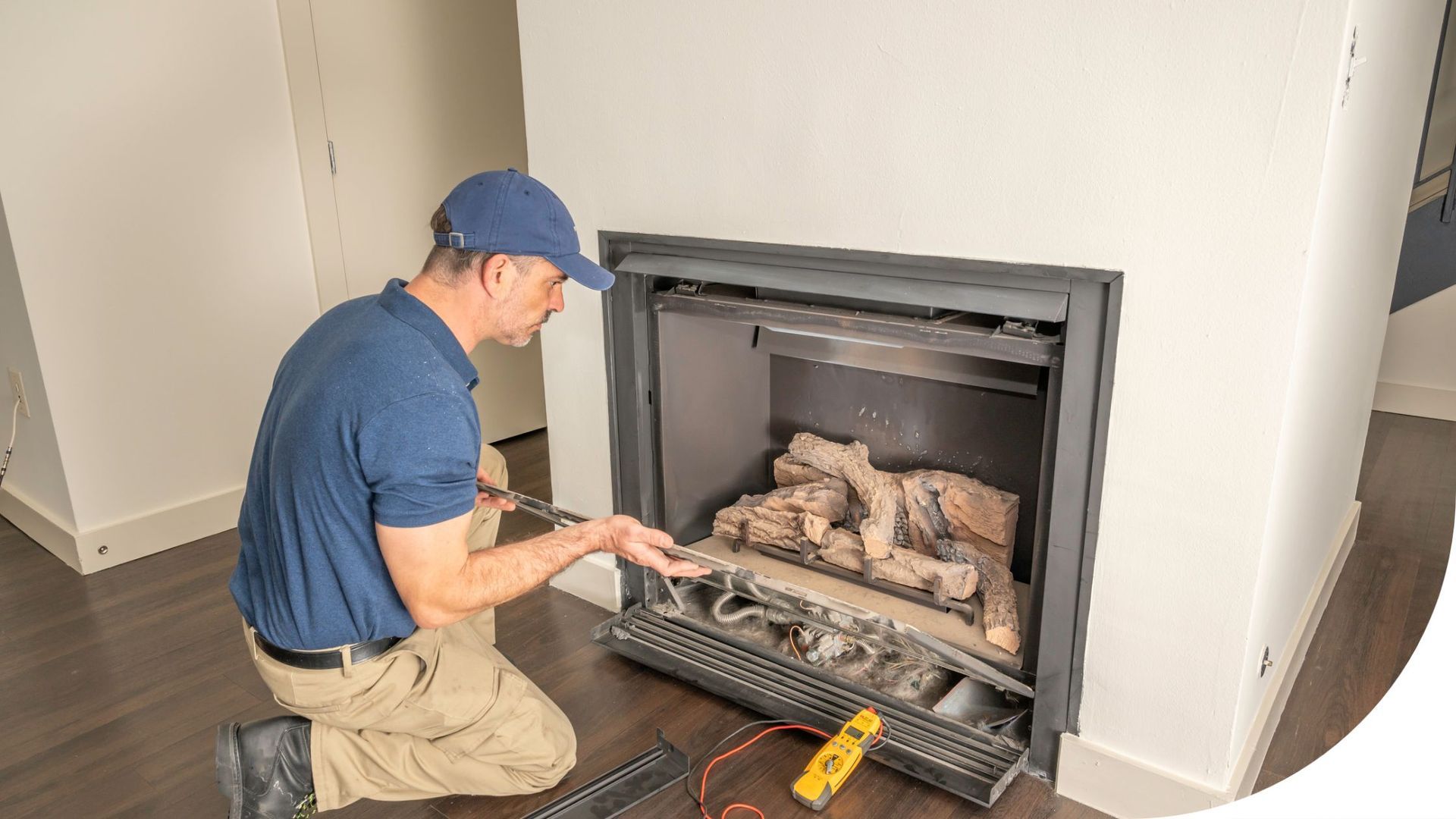
1. Your Gas Fireplace Won't Turn On
You reach for the remote, press the button, and nothing happens.
For homeowners accustomed to the convenience of a gas fireplace, this is one of the most frustrating problems.
The good news is that a fireplace that won't start doesn't necessarily mean the entire unit needs to be replaced.
Depending on the model, the issue could involve something as simple as dead remote batteries or a control setting. Other possibilities include ignition components, the pilot assembly, electrical connections, or the gas supply.
Before assuming there's a major problem, check the basic operating instructions for your specific fireplace model.
Make sure the remote is working, the appropriate controls are enabled, and there isn't an obvious power interruption.
If the fireplace still refuses to start, it's time for a professional inspection rather than repeatedly attempting ignition or opening the appliance to troubleshoot components yourself.
Important: If you smell gas or suspect a leak, leave the area immediately, avoid operating electrical switches or flames, and contact your gas utility or emergency services from a safe location.
2. The Pilot Light Keeps Going Out
Some gas fireplaces use a standing pilot light, while others rely on electronic ignition systems.
If your fireplace has a pilot light that repeatedly goes out, there may be an issue that needs attention.
A pilot flame that won't remain lit can sometimes indicate problems involving the pilot assembly, flame-sensing components, or gas supply.
Over time, dust, debris, and normal component wear may affect how these systems operate.
It's tempting to keep relighting the pilot and hope the problem disappears. But if the issue continues, the better approach is to have the fireplace inspected.
A qualified technician can determine whether the problem is related to a component, an adjustment, or something else affecting safe operation.
The goal isn't simply to get the fireplace burning again.
It's to understand why it stopped working in the first place.
3. Your Fireplace Starts but Shuts Off Unexpectedly
A fireplace that turns on and then shuts off can be especially confusing.
It may ignite normally, produce flames for several minutes, and then stop without warning.
Depending on the appliance, this behavior could be associated with a thermostat setting, an electronic control, a flame-sensing problem, or a safety shutdown.
Some modern gas fireplaces have built-in systems designed to stop operation when certain conditions aren't met.
That's an important reason not to bypass safety controls or attempt unauthorized repairs.
If the fireplace repeatedly shuts down, take note of what happens.
Does it turn off immediately after ignition? Does it run for several minutes first? Does it happen every time or only occasionally?
Those details can help a service technician narrow down the cause.
4. The Flames Look Different Than They Used To
One of the biggest reasons homeowners love gas fireplaces is the appearance of the flames.
Modern gas units can provide a remarkably realistic fire without the work of cutting wood, tending logs, or cleaning up ash.
But if the flames suddenly look noticeably different, it's worth paying attention.
Maybe they appear unusually small or uneven. Perhaps the burner doesn't ignite as consistently as it once did. Or you notice a change in flame appearance that wasn't there before.
Not every change indicates a dangerous condition. Flame appearance varies considerably between fireplace models and burner designs.
However, an unexpected change can sometimes point to an issue involving burner cleanliness, combustion, or gas delivery.
A service technician can compare the appliance's operation with the manufacturer's specifications and determine whether cleaning, adjustment, or repair is needed.
Avoid attempting to adjust burners or gas settings yourself.
5. There's Unusual Soot or Discoloration
Some marks inside a gas fireplace may be normal for a particular model, but excessive soot or new black deposits can indicate a problem.
If you notice unusual soot buildup on the glass, logs, or firebox, don't assume it's simply part of owning a fireplace.
Certain combustion problems or improperly positioned components can contribute to soot formation.
A professional inspection can help determine what's causing it.
It's also important to remember that gas fireplaces are not all built the same way. Venting systems, decorative logs, glass assemblies, and combustion chambers vary between models.
That means cleaning and maintenance procedures should always follow the manufacturer's instructions.
Never operate a gas fireplace with required glass panels removed or damaged.
If you notice significant soot, damaged glass, or other changes suggesting improper operation, stop using the fireplace until it has been evaluated.
6. You Hear New or Unusual Noises
A little noise from a fireplace isn't necessarily a problem.
Some appliances make sounds as metal components expand and contract with temperature changes.
Fans and blowers may also produce normal operating noise.
But new, persistent, or unusually loud noises deserve attention.
A rattling sound could come from a loose component. A blower that becomes noticeably louder may require maintenance. Other unusual noises may point to a mechanical or operational issue.
The important distinction is whether the sound is normal for your fireplace.
If the appliance has operated quietly for years and suddenly begins making a new noise, that's useful information to share when requesting service.
Don't ignore a new problem simply because the fireplace continues producing heat.
7. You Can't Remember the Last Time It Was Inspected
Sometimes the biggest warning sign is that nothing seems obviously wrong.
A gas fireplace may continue operating even when components need cleaning, adjustment, or routine inspection.
Dust can accumulate. Parts can wear. Venting components and controls may require attention.
Regular professional maintenance helps identify developing problems and confirm that the fireplace is operating according to its manufacturer's requirements.
If you've owned the fireplace for years and can't remember the last inspection, it's worth checking the maintenance schedule in your owner's manual.
Many manufacturers recommend periodic professional inspection, often annually, although the exact requirements vary by appliance.
A fireplace is supposed to make your home more comfortable.
Keeping it properly maintained helps you enjoy that comfort with greater confidence.
When Should You Stop Using Your Gas Fireplace?
Some issues should be treated more urgently than others.
Stop using the fireplace and arrange professional assistance if you notice unexplained soot buildup, damaged required components, repeated safety shutdowns, or other signs that the appliance may not be operating correctly.
If a carbon monoxide alarm sounds, move everyone to fresh air and contact emergency services.
If you smell gas, leave the building and contact the appropriate emergency service or gas provider from a safe location.
Never attempt to repair gas valves, burners, ignition systems, or venting components unless you're qualified to perform that work.
Professional fireplace service is about more than getting the flames going again. It's about helping ensure the appliance operates safely and as intended.
Is It Better to Repair or Replace an Older Gas Fireplace?
Not every fireplace problem requires a replacement.
Many issues can be addressed through professional servicing or replacement of an individual component, depending on the appliance's age, condition, and parts availability.
However, some homeowners eventually reach a point where upgrading makes more sense.
An older unit may lack the controls, efficiency, or appearance of newer models. Replacement parts may become difficult to find. Or the fireplace may no longer fit the room's design.
Modern gas fireplaces and inserts offer a wide range of options, including remote controls, adjustable heat settings, contemporary finishes, and traditional log designs.
At Zillges, homeowners can explore multiple gas fireplace and insert options to find something that fits their home and heating preferences.
A professional evaluation can help determine whether servicing your existing fireplace or considering a new system is the more practical choice.
Frequently Asked Questions About Gas Fireplace Problems
Why does my gas fireplace click but not ignite?
Clicking may indicate that an electronic ignition system is attempting to start the fireplace. Possible causes depend on the model and can include ignition, control, or gas-supply issues. If basic user-approved checks don't resolve the problem, have the appliance professionally inspected.
How often should a gas fireplace be serviced?
Follow your fireplace manufacturer's maintenance requirements. Many manufacturers recommend an annual professional inspection, particularly before periods of frequent use.
Can I clean my gas fireplace myself?
Homeowners may be able to perform certain basic cleaning tasks outlined in their owner's manual. However, burner assemblies, gas connections, safety controls, and venting components should be inspected or serviced by qualified professionals.
Can a gas fireplace heat a room?
Many gas fireplaces provide supplemental heat, but heating performance varies by model, installation, and room conditions. A fireplace should only be used for the heating purposes approved by its manufacturer.
Get Your Fireplace Ready for Wisconsin Winter
When cold weather settles into Wisconsin, your fireplace should be something you look forward to using—not another thing to worry about.
Whether your gas fireplace isn't starting, keeps shutting off, or simply hasn't been inspected in a while, addressing concerns early can help avoid frustration during the coldest part of the season.
Zillges Landscape, Fireplace & Excavation has served the Oshkosh area since 1954 and offers fireplace products, inspections, and servicing for homeowners throughout the surrounding Fox Valley.
Need help with your fireplace?
Contact Zillges to discuss your fireplace concern and service options.
You can also explore our gas fireplaces, inserts, and stoves to see the heating products available.
Stay warm, stay comfortable, and enjoy your fireplace with confidence.

Share