How Much Does Professional Landscaping Cost in Wisconsin?
You've been thinking about improving your yard. Maybe it's a new paver patio, updated landscape beds, a retaining wall, or a complete backyard transformation.
You have ideas. You've looked at pictures. You can probably imagine what you want the finished space to look like.
But there's one question standing between you and getting started:
How much is this actually going to cost?
The answer isn't always straightforward. Landscaping projects can vary significantly in price depending on the size of the property, materials, site conditions, and the amount of work involved.
At Zillges Landscape, Fireplace & Excavation, we help homeowners throughout Oshkosh, Neenah, Appleton, and the Fox Valley plan landscaping and outdoor living projects around their goals and property conditions.
This guide explains what affects professional landscaping costs, where your money goes, and how to make smart decisions about your project budget.
Inside this post
In this guide, you'll learn:
- What factors affect professional landscaping prices
- Why patios, retaining walls, and planting projects cost different amounts
- How excavation, grading, and drainage influence your budget
- Where it makes sense to invest more—and where you may be able to simplify
- What to prepare before requesting a landscaping estimate
By the end, you'll have a better understanding of what goes into a landscaping quote and how to approach your project with confidence.
Why Landscaping Costs Vary So Much
Two homeowners can request what sounds like the same project and receive very different estimates.
For example, both might want a new paver patio.
One property has a flat, accessible backyard with good drainage. The other has a significant slope, limited equipment access, and soil that requires additional preparation.
Even if both patios have the same finished square footage, the amount of work required to build them could be very different.
That's why landscaping can't always be priced accurately from a few pictures or a simple square-foot estimate.
Professional landscaping involves more than the materials you see when the project is finished.
It may include design, demolition, excavation, material delivery, drainage improvements, base preparation, installation, grading, planting, and cleanup.
Understanding those components makes it easier to evaluate an estimate and decide where to invest.
The Size and Scope of the Project
One of the biggest factors affecting landscaping cost is how much work you want completed.
A small project focused on refreshing landscape beds is very different from a complete backyard renovation involving patios, retaining walls, walkways, and new plantings.
Even within the same project category, scope matters.
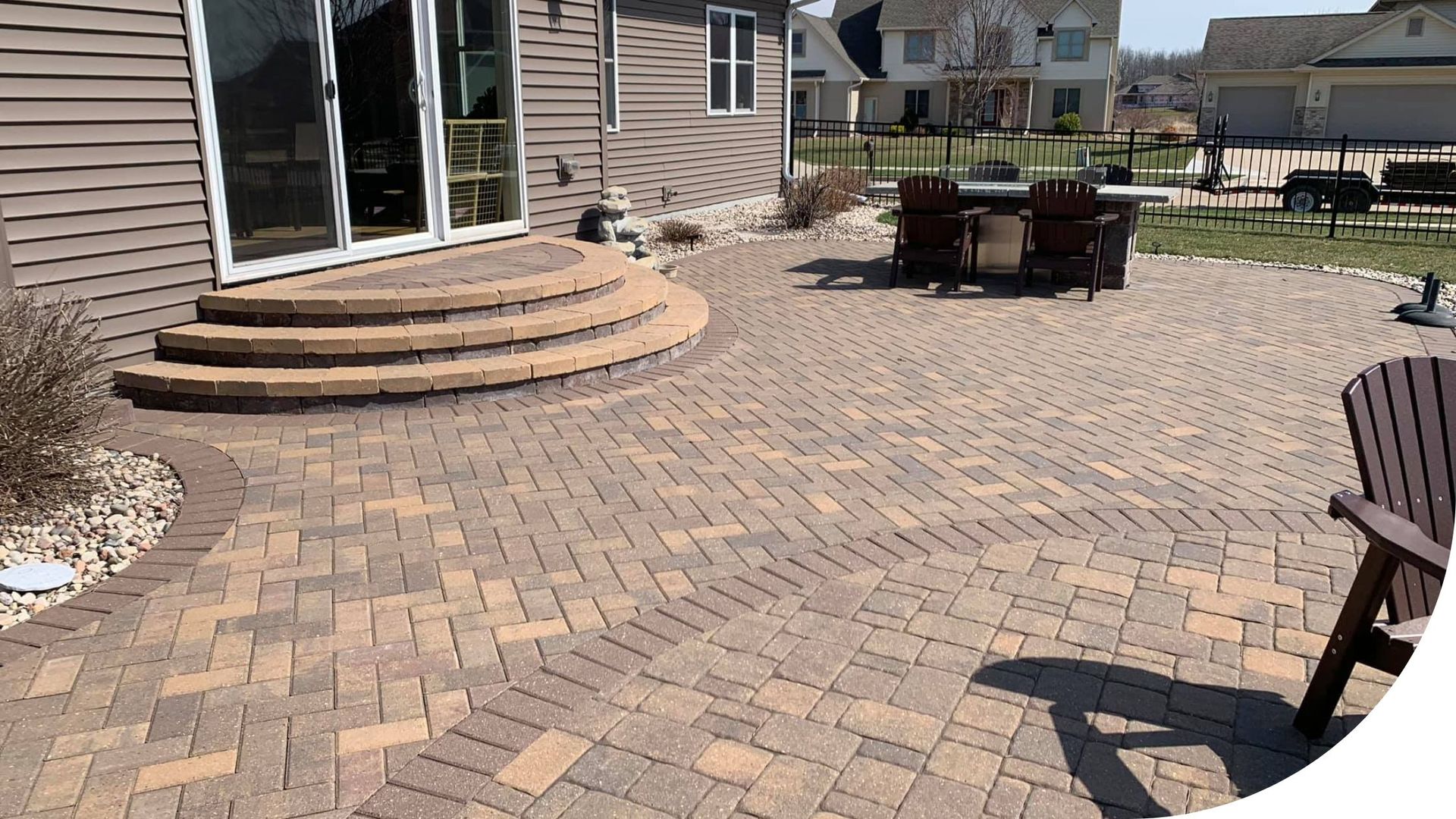
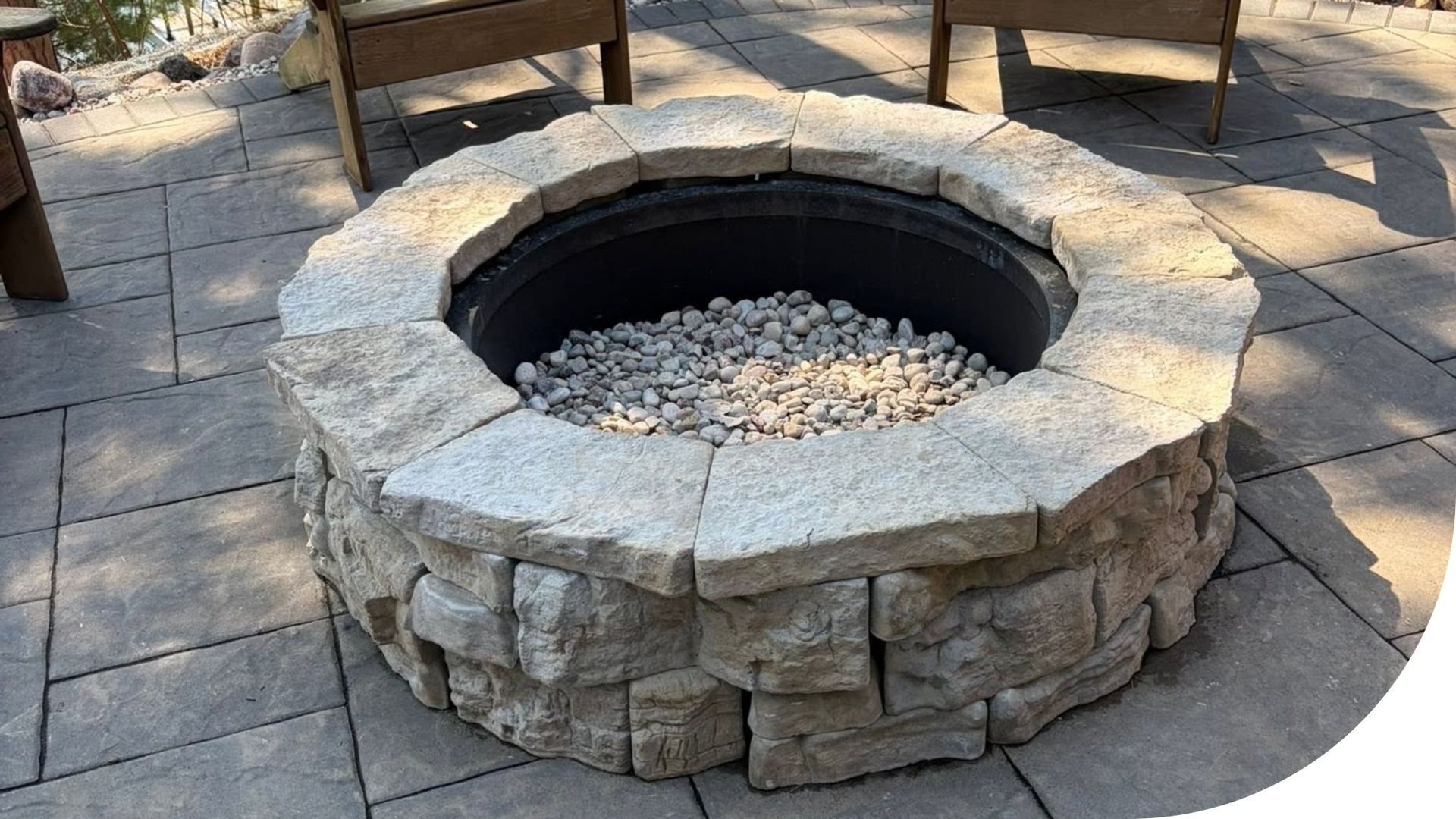
A straightforward patio may need only excavation, base preparation, pavers, and edge restraints. A larger outdoor living project might also include steps, decorative borders, a fire pit, seating walls, or multiple connected areas.
Each additional feature introduces materials, labor, and installation details.
That's why it's helpful to define your priorities before requesting an estimate.
Ask yourself what you want the finished project to accomplish.
- Is your biggest goal better curb appeal?
- More privacy?
- A comfortable place to entertain?
- Fixing a slope?
- Improving drainage?
The clearer your goal, the easier it becomes to develop a plan that fits your budget.
Patio Materials Can Make a Major Difference
If you're considering a new patio, the material you choose affects both the appearance and overall project cost.
Concrete pavers, natural stone, and poured concrete each have different installation requirements and price considerations.
Pavers offer a wide range of colors, shapes, textures, and patterns. Natural stone provides a more organic appearance, but irregular pieces and variable thicknesses can make installation more involved.
Decorative borders, curves, steps, and intricate patterns can also add labor.
For Wisconsin homeowners, material selection should never be based on appearance or initial price alone.
Durability, drainage, maintenance, and repairability all matter.
A less expensive material may not be the best value if it doesn't fit how you plan to use the space.
Zillges offers a selection of hardscape materials, including pavers and natural stone options, to help homeowners explore different design possibilities.
For a more detailed comparison, read our guide: Pavers vs. Natural Stone vs. Concrete: What's Best for a Wisconsin Patio?
Retaining Walls Cost More Than the Visible Blocks
Retaining walls are another project where the finished appearance doesn't tell the whole story.
A retaining wall may look like a simple stack of stone or concrete blocks. But properly supporting soil requires careful planning and preparation.
The cost depends on several factors, including the wall's height, length, material, soil conditions, and the amount of earth being retained.
Taller or more complicated walls may require additional reinforcement, engineering, drainage systems, or permitting.
The excavation behind the wall can also be substantial.
A properly constructed retaining wall needs a suitable foundation, drainage materials, and careful installation to resist soil pressure and changing weather conditions.
This is especially important in Wisconsin, where freezing and thawing can place additional stress on outdoor structures.
The important thing to remember is that a retaining wall is a structural improvement, not just a decorative feature.
Trying to save money by skipping proper preparation can result in expensive problems later.
Excavation and Drainage Affect the Budget
One of the biggest surprises for homeowners is how much work may need to happen before the visible landscaping begins.
Excavation and grading are often necessary to create a stable foundation and manage water.
If your yard has uneven terrain, compacted soil, standing water, or poor access, site preparation may require additional time and equipment.
For example, installing a patio on flat, well-drained ground is typically less complicated than installing one on a slope that needs excavation and a retaining wall.
Drainage work may also be necessary before new hardscapes or planting beds are installed.
This could involve reshaping the ground, creating proper surface slopes, or adding drainage infrastructure where appropriate.
While this work isn't always exciting to look at, it's often essential to protecting the finished landscape.
At Zillges, landscaping and excavation services work together, allowing site conditions to be considered as part of the overall project.
Plant Selection Changes the Cost of Landscaping Beds
Not every landscaping project involves large hardscape features.
Sometimes the goal is improving curb appeal with new planting beds, trees, shrubs, perennials, decorative stone, and mulch.
These projects can also vary significantly in cost.
A landscape design using smaller plants with room to mature will generally have different material costs than one using large, established trees and shrubs for an immediate finished appearance.
Plant varieties matter, too.
Some plants are more expensive to source, transport, or install. Larger trees may require specialized equipment and additional labor.
Decorative stone, edging, soil preparation, and bed construction can also influence the total.
When considering planting costs, it's worth thinking about the long-term appearance of the landscape.
A thoughtfully designed bed should look balanced as plants mature, not just on installation day.
Sometimes choosing smaller plants and allowing them to grow is a practical way to manage costs without sacrificing the overall design.
Should You Complete Everything at Once or in Phases?
One of the best ways to approach a larger landscaping project is to decide whether it needs to happen all at once.
For some homeowners, a complete installation makes the most sense.
Others may prefer to divide the project into phases.
For example, the first phase might include grading, drainage, and a patio. The next phase could add landscape beds, walkways, and other features.
That can make a larger project easier to budget for.
However, there's an important consideration.
Phased landscaping should still follow one overall plan.
If future features aren't considered from the beginning, you may end up paying to remove or redo work later.
A fire feature might need utility planning. A future retaining wall could affect the patio layout. A walkway might be easier to install before surrounding plantings mature.
Planning everything together—even when installation happens over multiple seasons—can help avoid unnecessary expenses.
Where Should You Spend More and Where Can You Save?
Not every part of a landscaping project deserves the same share of your budget.
Some elements directly affect durability and long-term performance. Others are primarily aesthetic choices.
For example, proper base preparation, excavation, drainage, and structural retaining wall components are not good places to cut corners.
These are the features that help prevent settling, erosion, and premature failures.
Other decisions may offer more flexibility.
You might choose a simpler patio pattern, reduce the size of a seating area, select smaller plants, or postpone a decorative feature until later.
The goal shouldn't be to create the cheapest possible project.
It should be to make the most of your budget while building something that functions well and lasts.
A good landscape design helps you see which elements are essential and which can be adjusted without compromising the overall result.
What Should You Have Ready Before Requesting an Estimate?
You don't need a finished landscape design to start a conversation with a professional.
But having a few details ready can make the process much more productive.
It helps to know:
- Your main goal: What do you want to change or improve?
- Your project priorities: What needs to be included, and what would be nice to have?
- Your approximate budget: What investment range are you comfortable considering?
- Your ideal timing: Are you hoping to build soon or planning for a future season?
- Your property concerns: Are there slopes, drainage problems, access limitations, or existing features to remove?
Photos and examples of outdoor spaces you like can also help communicate your vision.
You don't need to know the exact materials, dimensions, or construction methods.
That's part of what a landscaping professional can help you work through.
Frequently Asked Questions About Landscaping Costs
How much does a landscaping project cost in Wisconsin?
There isn't one reliable price for every property. Small planting-bed improvements, patio installations, retaining walls, and complete backyard renovations require different materials and amounts of labor.
A site-specific estimate is the best way to understand the actual cost of your project.
Are paver patios more expensive than concrete?
Paver patios often have higher initial installation costs than basic poured concrete because they involve individual units and detailed installation work. However, design choices, base preparation, site conditions, and repair needs all affect long-term value.
Can landscaping be done in phases?
Yes. Large landscaping projects can often be divided into phases, provided the complete design is considered first. Proper planning helps ensure future improvements connect with work already completed.
Does professional landscaping increase home value?
Well-designed landscaping can improve curb appeal, usability, and buyer appeal. However, the financial return depends on the type of improvement, local housing market, property condition, and project cost. No particular landscaping project guarantees a specific resale return.
When should I request a landscaping estimate?
You can begin discussing your project before the season you hope to complete it. Starting early provides time to consider the design, understand the scope, review materials, and discuss scheduling.
Your Landscaping Budget Should Work Toward Something
The best landscaping projects don't begin with choosing the most expensive materials or adding as many features as possible.
They begin with a clear purpose.
Maybe you want a backyard where your family spends more time together. Maybe you want to improve your home's appearance. Maybe your yard has a slope or drainage issue that has bothered you for years.
Whatever the goal, the right landscape plan can help you put your budget where it makes the biggest difference.
At Zillges Landscape, Fireplace & Excavation, we help homeowners throughout Oshkosh, Neenah, Appleton, and the Fox Valley explore landscaping, hardscaping, patios, retaining walls, excavation, and outdoor living improvements.
Thinking about a landscaping project?
Contact Zillges to discuss your ideas and request an estimate.
You can also explore our landscaping services to see what's possible for your property.
A better outdoor space starts with understanding your options.

Share