What Should You Plant in Fall? A Wisconsin Landscaping Guide
Spring gets most of the attention when it comes to landscaping, but fall has some advantages that Wisconsin homeowners shouldn't overlook.
Cooler temperatures, less intense sunlight, and soil that may still hold warmth from summer can create good conditions for establishing certain plants. Fall is also a chance to give your landscape more color, structure, and interest before the next growing season.
But there's an important catch: not everything should be planted in October.
The type of plant, soil conditions, and how much time remains before the ground freezes can all affect whether fall planting is a good idea.
At Zillges Landscape, Fireplace & Excavation, we help homeowners across Oshkosh, Neenah, Appleton, and the Fox Valley design landscapes with trees, shrubs, perennials, decorative stone, mulch, and other features that work together beautifully.
Here's what to consider when choosing plants and improving your landscape in fall.
Inside this post
This guide covers:
- Why fall can be a good time for landscaping in Wisconsin
- Which trees, shrubs, and perennials may be suitable for fall planting
- What you should avoid planting too late in the season
- How soil preparation, drainage, and mulch affect plant health
- How to design a landscape that looks great beyond summer
By the end, you'll have a clearer idea of which projects make sense in fall and which are worth saving for spring.
Why Fall Can Be a Good Time to Plant
One advantage of fall planting is that plants no longer have to deal with the hottest part of summer.
When temperatures cool, many plants experience less heat stress. The soil also tends to remain warmer than the air for a while, allowing roots to continue developing even as aboveground growth slows.
That matters because healthy roots are the foundation of a healthy landscape.
A plant that establishes a good root system before winter may be better prepared for spring growth.
However, timing matters. Early fall often provides more favorable conditions than late October, and some plants need substantially more time to establish than others.
Rather than assuming everything can go into the ground before winter, it's better to choose plants based on their species, condition, and the expected weather.
Trees and Shrubs: Choose Carefully in October
Trees and shrubs provide the structure behind a well-designed landscape.
They frame the house, create privacy, add seasonal interest, and help connect planting beds to patios, walkways, and other outdoor spaces.
Some deciduous trees and shrubs are well suited to early fall planting, but others establish more reliably in spring.
For example, Wisconsin horticulture guidance identifies certain maples, crabapples, hackberries, lindens, lilacs, and other species as candidates for fall planting. However, it recommends spring planting for several species, including many evergreens and trees that may struggle to establish before winter.
By October, the available planting window becomes especially important.
What about evergreens?
Evergreens are a popular choice for Wisconsin landscapes because they provide color and privacy throughout the year.
But they're also vulnerable to winter drying.
Unlike deciduous trees, evergreens continue losing moisture through their foliage during winter. If their roots haven't established adequately before the soil freezes, they may struggle to replace that moisture.
That's why planting evergreens earlier in the season is generally preferable.
The takeaway: Don't choose trees and shrubs based on appearance alone. Choose varieties suited to your property, and make sure the planting time gives them a reasonable opportunity to establish.
Perennials Can Give Your Landscape a Head Start
Perennials are plants that return year after year, making them valuable additions to Wisconsin landscapes.
They bring color, texture, and seasonal variety without requiring homeowners to start completely over every spring.
Many hardy perennials can be planted or divided in early fall. Some species are also candidates for later planting when soil and weather conditions remain suitable.
However, plants installed too close to freezing temperatures may not have enough time to establish new roots.
This is where thoughtful landscape design helps.
Rather than choosing plants simply because they look attractive at the garden center, consider when they bloom, how large they'll become, and what they'll look like throughout the growing season.
A landscape that includes a combination of spring, summer, and fall interest can remain attractive much longer than one designed around a single blooming period.
For example, ornamental grasses can provide late-season texture, while hardy perennials and shrubs can create layers of color and structure.
The result is a landscape that changes with the seasons instead of looking unfinished once summer flowers disappear.
Don't Overlook Soil and Drainage
A plant can be perfectly suited to Wisconsin weather and still struggle if it's placed in the wrong conditions.
Poor drainage is one of the biggest issues to consider when designing planting beds.
If water collects around plant roots, certain species may develop problems. On the other hand, dry, compacted soil can make it difficult for roots to spread and absorb moisture.
Before adding plants, pay attention to how the area behaves after rain.
Does water sit in the same spot? Does soil wash away on a slope? Is the area especially dry beneath an overhang? Are there places where mulch continually moves out of the bed?
These conditions should influence both plant selection and landscape design.
Sometimes improving the soil is enough. Other situations may call for regrading, changes to the bed layout, or additional drainage work.
At Zillges, landscaping and excavation are complementary services, making it possible to consider both what goes into the landscape and what needs to happen beneath it.
A strong landscape starts with the right growing conditions.
Mulch Is More Than a Finishing Touch
Fresh mulch gives landscape beds a clean, finished appearance, but it also serves a practical purpose.
Organic mulch can help moderate soil temperatures, conserve moisture, and reduce weed growth.
That's particularly useful as Wisconsin transitions from fall into winter.
However, more mulch isn't always better.
Piling mulch against tree trunks or plant stems can hold moisture against the plant and create problems. It's generally better to maintain an appropriate layer over the root area while keeping mulch away from the trunk or crown.
Winter mulching also requires attention to timing.
For certain perennials, adding protective winter mulch after the soil begins freezing can help reduce repeated freezing and thawing around roots. Applying heavy winter protection too early may be counterproductive.
The right approach depends on the plants and the conditions.
Decorative stone is another option for some landscape beds, especially where homeowners want a different appearance or longer-lasting surface material. But it doesn't offer the same insulating and soil-improving properties as organic mulch.
Selecting the right ground covering should be part of the overall landscape plan.
Keep Watering Until the Ground Freezes
One of the most common fall landscaping mistakes is assuming plants no longer need water because the weather has cooled.
Trees and shrubs—particularly newly installed plants and evergreens—still need adequate soil moisture before winter.
Even established plants can experience stress when autumn weather is unusually dry.
Rather than watering on a fixed schedule, check the soil and account for recent rainfall. Water deeply when conditions are dry, without saturating poorly drained soil.
Continue monitoring moisture until the ground freezes.
According to University of Wisconsin–Madison Extension, adequate moisture going into winter is an important part of protecting landscape plants.
This small amount of attention can make a significant difference in how plants handle the cold months ahead.
Think Beyond the Plants Themselves
A beautiful landscape is more than a collection of trees, shrubs, and flowers.
It also includes the structure around them.
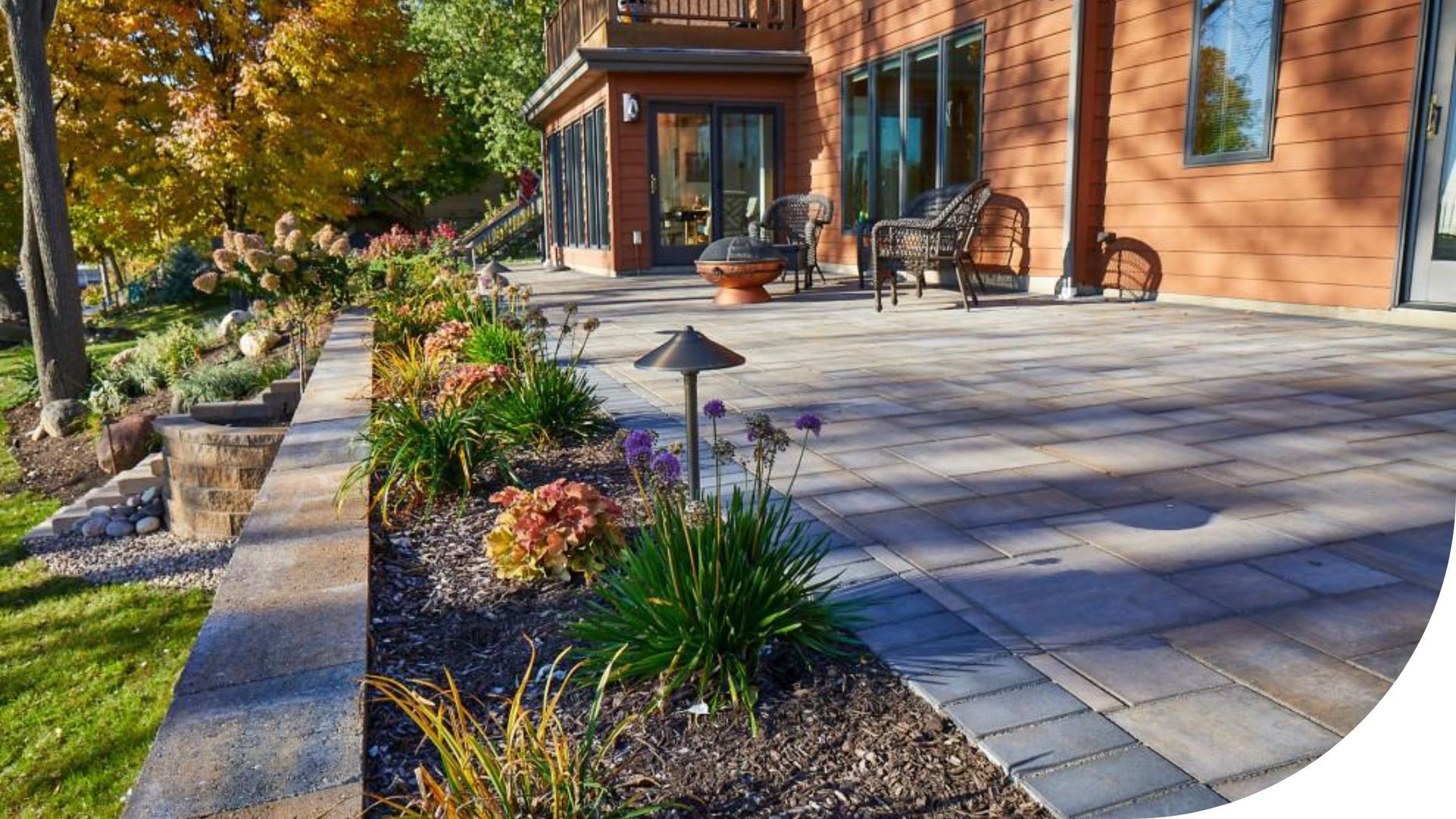
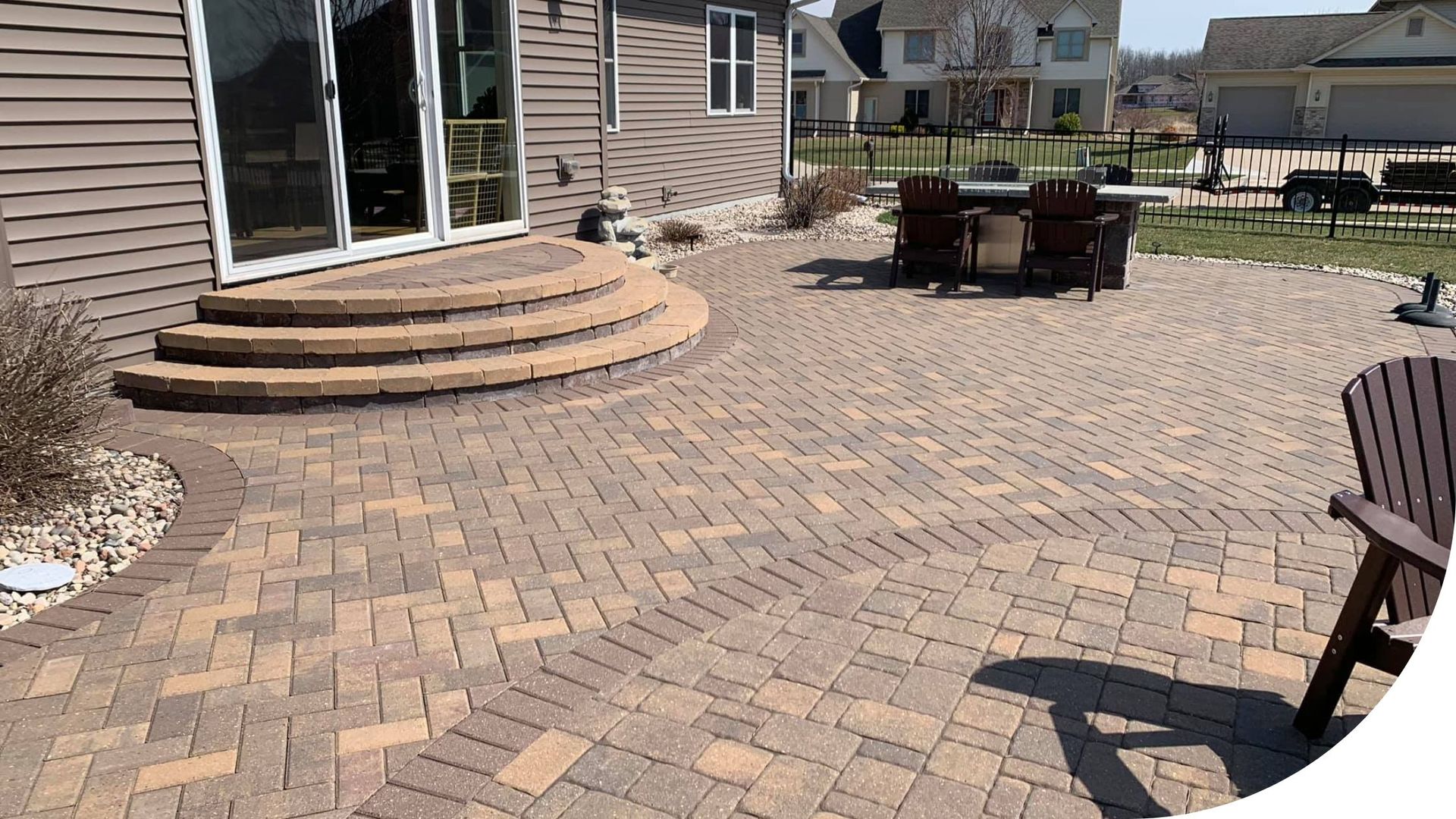
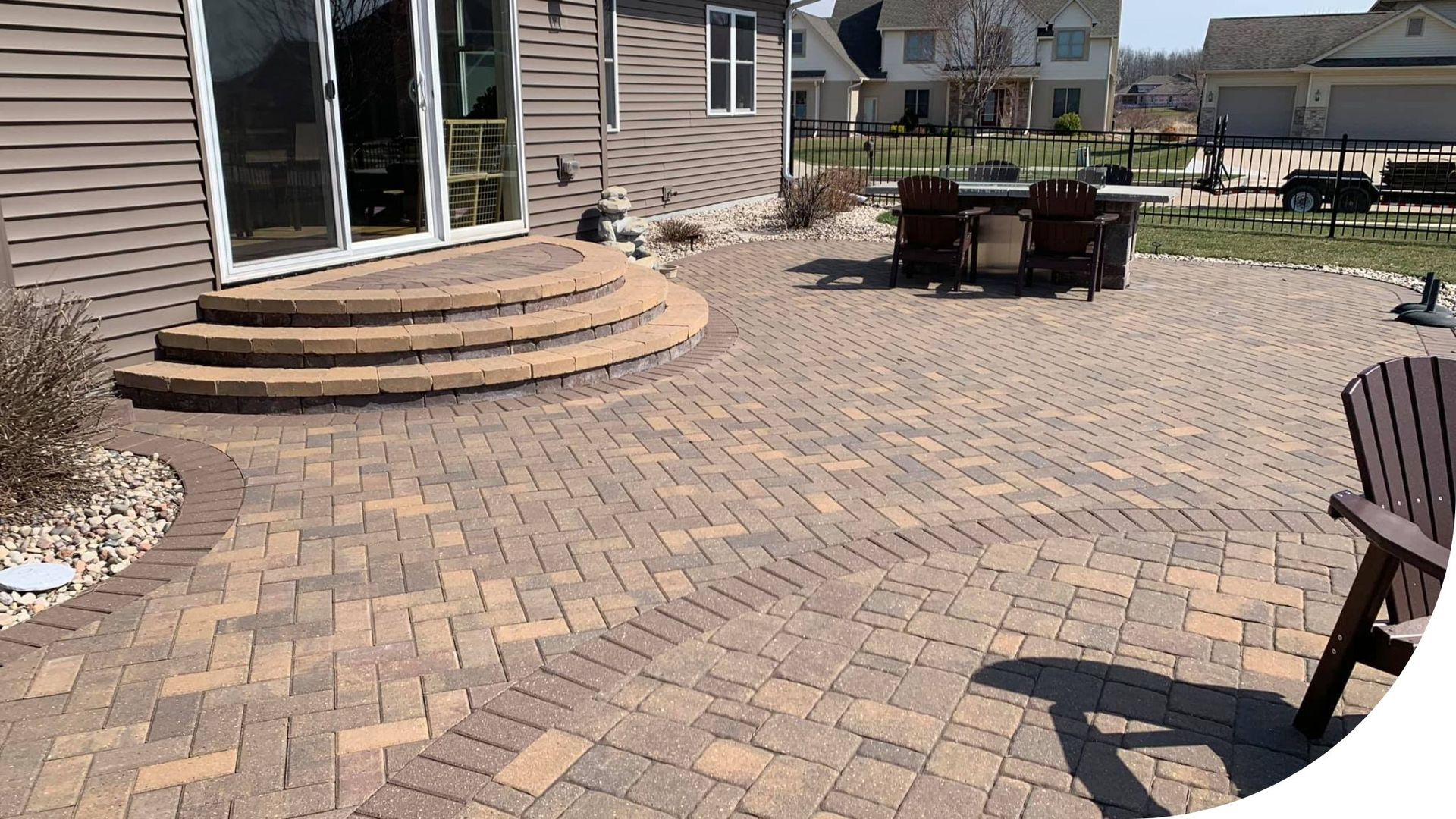
Planting beds should complement the house, connect naturally to patios and walkways, and frame outdoor living areas without making them feel crowded.
Retaining walls can create usable planting areas on sloped properties. Decorative stone can introduce texture and definition. Walkways can guide movement through gardens and outdoor spaces.
And carefully placed shrubs or trees can offer privacy, shade, and visual interest without closing off the entire yard.
This is where professional landscape design makes a difference.
Rather than adding plants wherever there's an empty space, the goal is to create a complete design that will continue looking intentional as everything grows.
Frequently Asked Questions About Fall Planting in Wisconsin
Is October too late to plant trees in Wisconsin?
Not necessarily, but it depends on the species, planting stock, soil conditions, and how soon the ground freezes. Some deciduous trees may be planted in fall, while others are better planted in spring. Late October is generally riskier than early fall.
Should I cut back all my perennials before winter?
No. Many healthy perennial stems and ornamental grasses can remain standing through winter. They may provide visual interest, shelter for beneficial insects, and food for birds. Diseased foliage may need different handling.
Should I mulch my landscape beds in fall?
Fall can be a good time to replenish mulch, but winter-protection mulch for certain plants should generally be applied after the soil begins freezing. Avoid piling mulch directly against plant stems or tree trunks.
Can landscaping projects still be completed in October?
Yes, depending on the type of project, ground conditions, weather, and contractor availability. Planting, hardscaping, excavation, and other landscape improvements have different seasonal considerations.
Build a Landscape That Looks Great in Every Season
Fall landscaping isn't simply about squeezing in one more project before winter.
It's about making smart choices that help your outdoor space look better and function better year after year.
Whether you're considering new planting beds, trees and shrubs, decorative stone, retaining walls, or a complete landscape redesign, the right combination of plants and hardscapes can make a lasting difference.
Zillges Landscape, Fireplace & Excavation helps homeowners throughout Oshkosh, Neenah, Appleton, and the Fox Valley bring their outdoor spaces together with professional landscaping and hardscaping solutions.
Ready to improve your landscape?
Contact Zillges to discuss your project, or explore our landscaping services.
A landscape that looks great next spring starts with the right decisions today.

Share