What to Fix in Your Landscape Before Next Spring
By September, your yard has had a full season to show you what is working—and what is not.
Maybe your patio felt too small once people started gathering outside. Maybe water pooled in the same low spot after every storm. Maybe your landscape beds looked great in May but became overgrown by August. Or maybe parts of the yard simply did not get used the way you expected.
Those are not random frustrations. They are useful clues.
At Zillges Landscape, Fireplace & Excavation, we help homeowners across Oshkosh, Neenah, Appleton, and the Fox Valley improve outdoor spaces based on how they actually perform. Fall is a great time to evaluate your landscape while the problems are still fresh—and create a smarter plan before next spring.
Inside this post
In this guide, you’ll learn:
- What late summer and early fall can reveal about your landscape
- Which drainage and grading problems should not be ignored
- How to tell when a patio, walkway, or retaining wall needs improvement
- What landscape beds can tell you about plant placement and design
- How to identify the upgrades that would make the biggest difference next year
By the end, you’ll have a clearer idea of what to fix, what to improve, and what may be worth planning for next season.
1. Fix the Areas Where Water Keeps Collecting
One of the easiest problems to identify after a full Wisconsin summer is poor drainage.
If the same part of your yard stayed soggy after storms, if water ran across your patio, or if mulch repeatedly washed out of a landscape bed, the problem is probably not going away on its own.
Water always follows the shape of the land. If grading is off or a low spot traps runoff, the issue will likely return every spring and summer.
Over time, poor drainage can contribute to:
- soil erosion
- soft or muddy lawn areas
- shifting or settling hardscapes
- washed-out landscape beds
- pressure around retaining walls
- water collecting too close to the home
This is why drainage and grading should usually be addressed before cosmetic improvements.
At Zillges Landscape, Fireplace & Excavation, excavation and site preparation are often part of the solution. Once water is moving correctly, patios, plantings, retaining walls, and other improvements have a much stronger foundation.
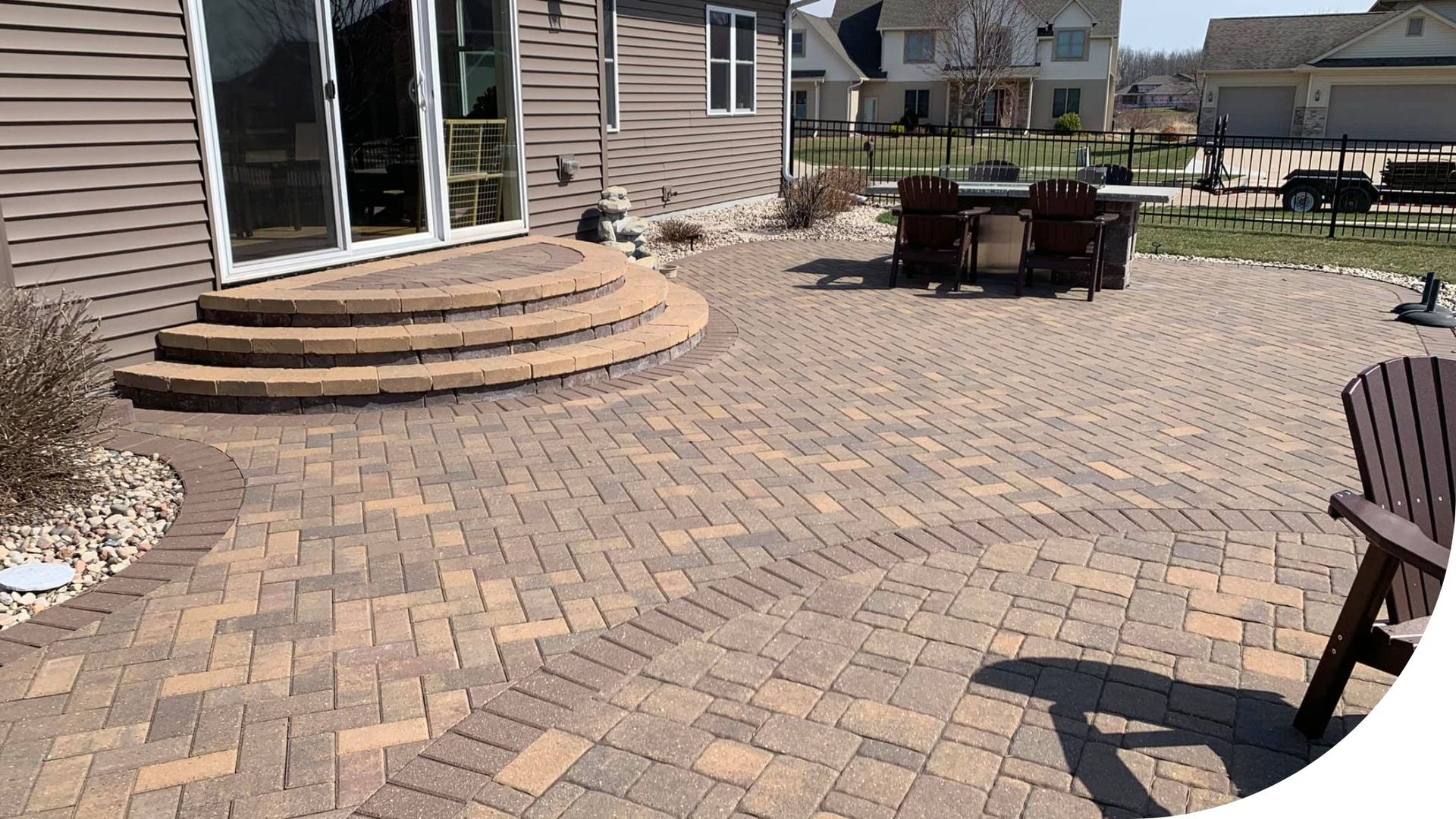
2. Look at Whether Your Patio Is Actually Working
A patio can look great and still not function well.
By the end of summer, you probably know whether yours is large enough, comfortable enough, and connected to the rest of the yard in a practical way.
Think about how people used the space.
Did guests have enough room to sit comfortably? Was there space for a dining table and grill without feeling crowded? Did people naturally move between the house, patio, and yard? Was the patio too exposed to sun, wind, or neighboring views?
Sometimes the issue is not the patio material itself. It is the layout.
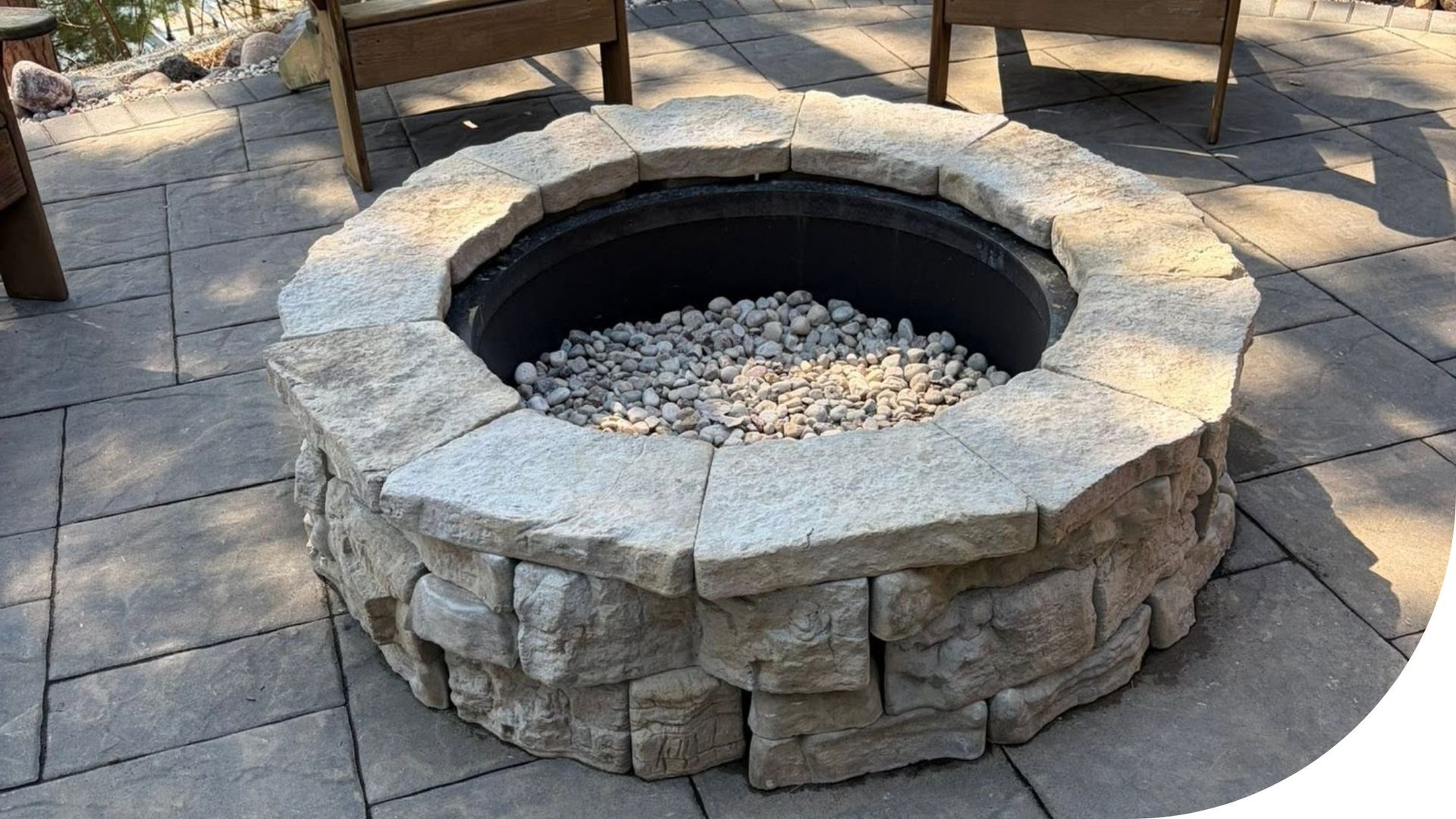
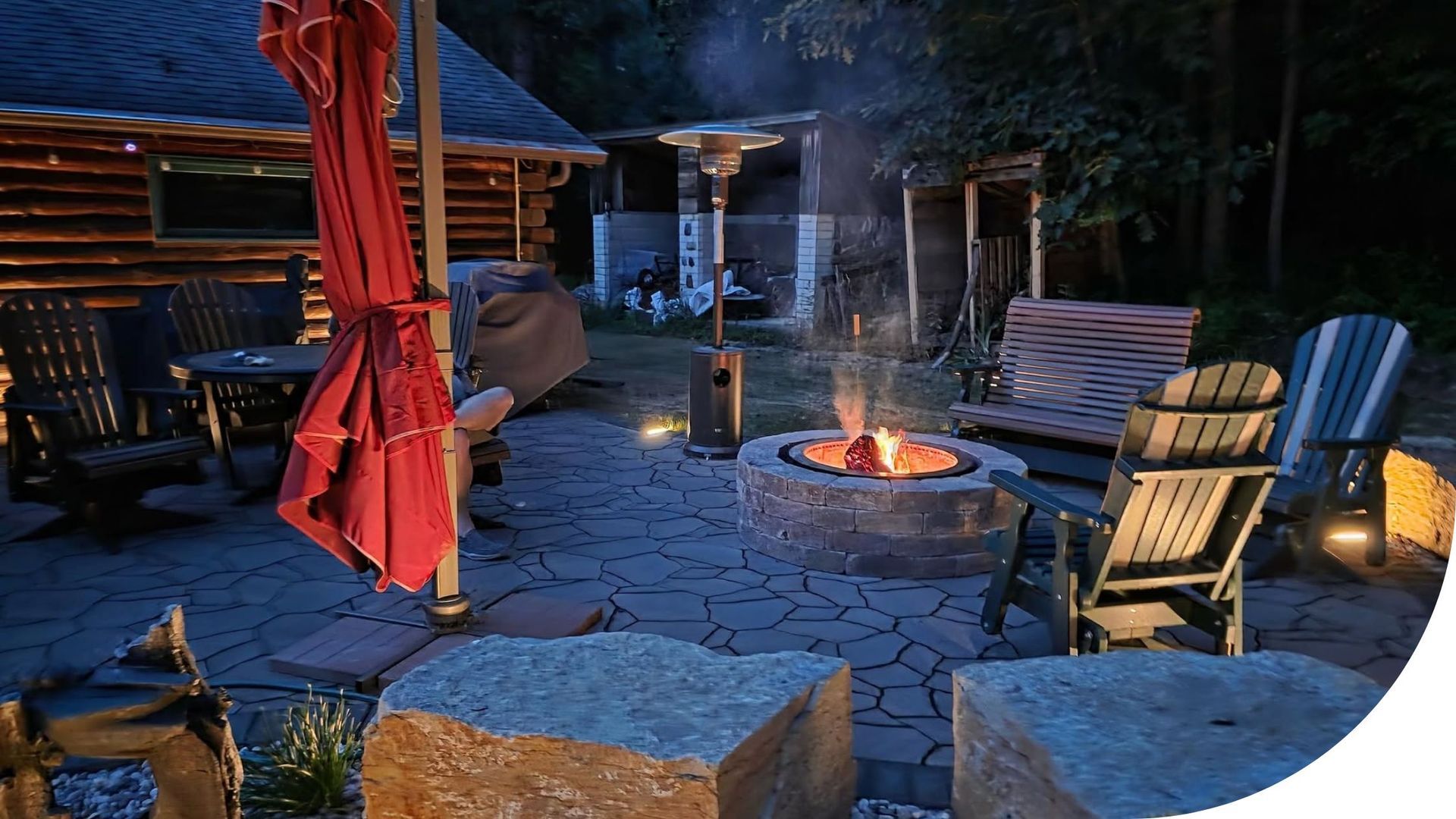
A larger or better-shaped patio, an added seating area, a walkway, or a fire feature may completely change how useful the space feels.
The best outdoor living areas are planned around real life—not just square footage.
3. Pay Attention to Worn Paths Through the Lawn
If people repeatedly cut across the same part of the yard, your landscape may be telling you where a walkway belongs.
Worn grass between the driveway and backyard, between the patio and fire pit, or along the side of the house is a sign that people naturally want to move through that area.
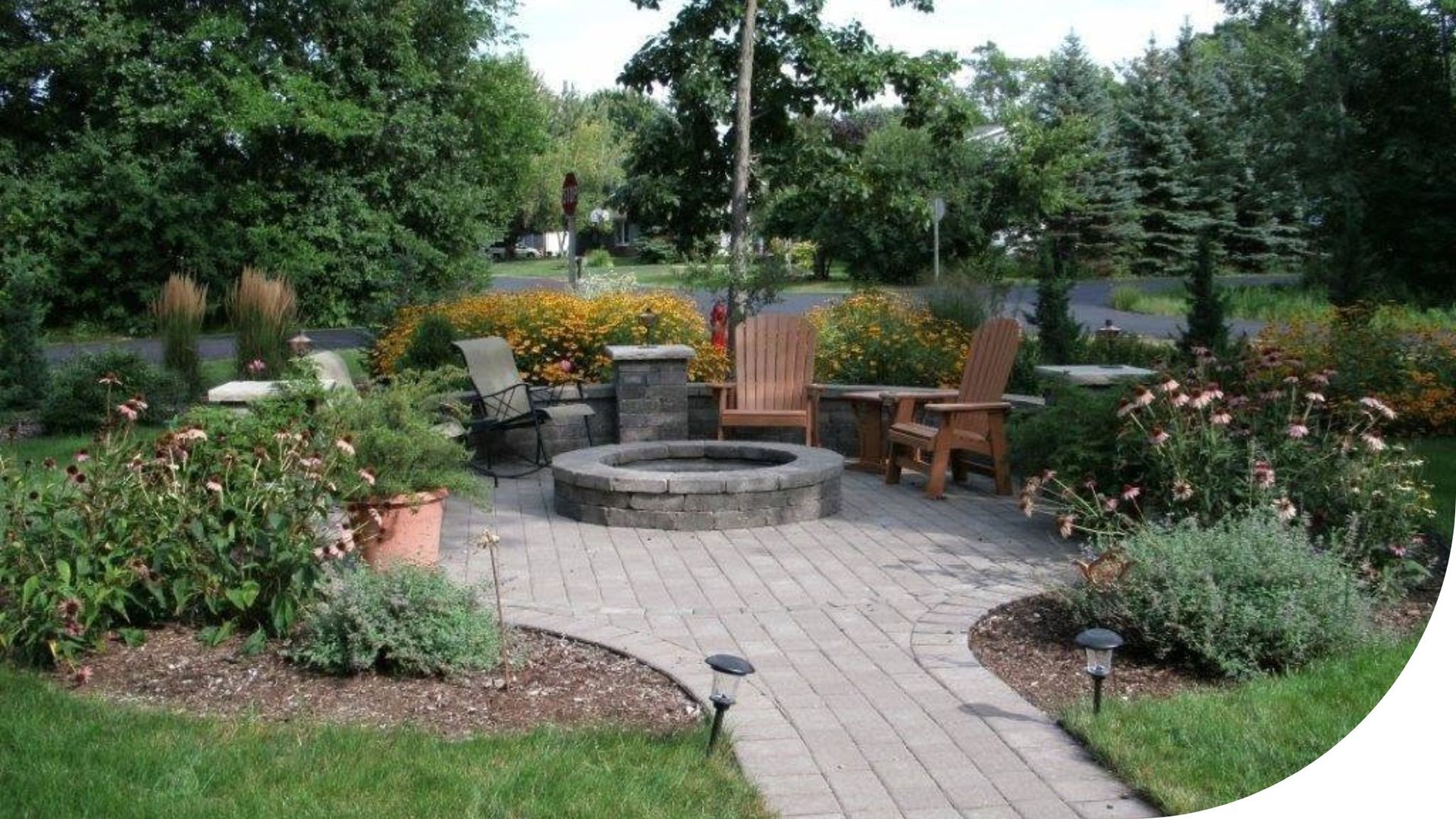
Rather than fighting that pattern, a well-designed walkway can make the yard more functional.
Walkways help:
- connect outdoor living areas
- keep people out of muddy grass
- improve safety and accessibility
- protect lawn and landscape beds
- make the property feel more intentional
A pathway may seem like a small upgrade, but it can dramatically improve how the entire yard flows.
4. Evaluate Slopes That Are Difficult to Use
Sloped areas can create some of the biggest frustrations in a yard.
They may be hard to mow, difficult to landscape, prone to erosion, or almost impossible to use for seating or outdoor living.
If you spent another summer working around a slope instead of using that part of the property, it may be time to rethink it.
Retaining walls can help create flat, usable areas while also controlling soil and adding structure to the landscape.
A well-designed retaining wall might make room for:
- a patio
- a garden bed
- a fire pit area
- a seating space
- a more manageable lawn
Instead of treating the slope as a problem, good landscape design can turn it into an asset.
5. Take a Hard Look at Your Landscape Beds
By September, landscape beds have had plenty of time to show whether the design is working.
Some plants may have outgrown their space. Others may look thin, struggle in the wrong light, or sit in soil that stays too wet.
You may also notice that certain beds require constant maintenance just to look clean.
That can be a sign that the issue is not simply plant care. It may be the shape of the bed, the plant selection, drainage, spacing, or how the bed fits with the rest of the landscape.
Good softscaping should mature gracefully.
The goal is not to create a landscape that looks perfect only when it is freshly installed. It should continue to look balanced as plants grow and seasons change.
Late summer and early fall are great times to note what you would change next year while those observations are still fresh.
6. Identify the Outdoor Spaces Nobody Used
Sometimes the biggest clue is an area that stayed empty all summer.
Maybe you have a large section of yard that does not serve much purpose. Maybe there is a corner with great shade but nowhere to sit. Or perhaps your family wanted to spend more time outside, but there was no comfortable gathering place.
These underused areas often have the most potential.
Depending on the property, they might become:
- a paver patio
- a fire pit area
- a landscaped retreat
- a walkway and garden zone
- a more private seating space
The goal is not to fill every inch of the yard with features. It is to make the areas you have more useful.
A thoughtful outdoor living plan can turn wasted space into one of the most enjoyable parts of the property.
7. Look for Problems That Could Get Worse Over Winter
Some landscape issues are worth addressing sooner rather than later.
If an existing retaining wall is leaning, a patio area is noticeably settling, water is consistently collecting near the home, or erosion is exposing soil, winter can add more stress.
Wisconsin freeze–thaw cycles are especially hard on areas where water is already getting into weak spots.
Water freezes, expands, thaws, and repeats the process throughout the season. Over time, that can make existing movement or drainage problems worse.
Even if the project itself is planned for next year, identifying these issues in fall gives you time to create the right solution before spring.
Decide What Would Make the Biggest Difference
Once you have walked the property and identified the trouble spots, the next question is not:
“What can we add?”
A better question is:
“What would make this yard work better?”
That might mean fixing drainage before doing anything else. It might mean creating a larger patio, adding a retaining wall, improving the walkways, or redesigning landscape beds.
The best projects usually solve more than one problem.
For example, a retaining wall might stabilize a slope while creating space for a patio. A walkway might improve traffic flow while connecting two outdoor living areas. Regrading might fix drainage while preparing the property for future landscaping.
That is where looking at the landscape as a whole becomes valuable.
Use This Season to Make Next Season Better
Your yard has spent all summer giving you feedback.
September is a good time to pay attention to it.
If you noticed drainage problems, awkward layouts, underused spaces, struggling landscape beds, or hardscape issues, you do not have to repeat the same frustrations next year.
Zillges Landscape, Fireplace & Excavation helps homeowners throughout Oshkosh, Neenah, Appleton, and the Fox Valley improve landscapes with grading, excavation, patios, walkways, retaining walls, hardscaping, softscaping, and complete outdoor living solutions.
👉
Explore landscaping services
A better landscape next spring starts with knowing what needs to change now.

Share