How Walkways and Pathways Bring Your Landscape Together
A great landscape should feel easy to move through.
You should be able to walk from the driveway to the patio without cutting through the lawn. Guests should know where to go when they enter the backyard. Outdoor living areas should feel connected instead of scattered. And every part of the yard should feel intentional.
That is where walkways and pathways make a major difference.
At Zillges Landscape, Fireplace & Excavation, we design and install outdoor spaces across Oshkosh, Neenah, Appleton, and the Fox Valley where patios, retaining walls, plantings, fire features, and walkways work together. This guide explains why pathways are more than a finishing touch—and how they can completely change the way your landscape feels and functions.
Inside this post
In this guide, you’ll learn:
- Why walkways are important in landscape design
- How pathways improve flow, safety, and everyday use
- Where walkways make the biggest impact
- How materials affect the style and durability of the space
- Why pathways should be planned with patios, retaining walls, and landscaping
By the end, you’ll understand how a well-designed walkway can make your entire yard feel more complete.
Walkways Create Natural Flow
Without clear paths, people create their own.
You can usually see this in worn-down grass, muddy areas, or awkward traffic patterns between the house, driveway, patio, garden, or fire pit. These informal paths show where people naturally want to move.
A well-designed walkway solves that problem by guiding movement intentionally.
It connects important areas of the property and helps the yard feel organized. Instead of feeling like separate pieces, the outdoor space starts to function as one connected environment.
This is especially important for larger yards, sloped properties, or homes with multiple outdoor zones.
Pathways Make Outdoor Spaces Easier to Use
A patio may be beautiful, but if getting to it feels awkward, the space will not be used as much as it should be.
Walkways help remove friction.
They make it easier to carry food from the house to the grill, walk from the driveway to the backyard, move between seating areas, or guide guests around the landscape without stepping through wet grass or uneven ground.
In Wisconsin, this matters even more because yards deal with rain, snowmelt, and changing ground conditions. A solid walkway gives people a reliable surface in seasons when lawn areas may be soft or muddy.
Good design is not only about how the yard looks. It is also about how easily people can use it.
The Right Walkway Can Improve Curb Appeal
Front walkways are one of the first things people notice when approaching a home.
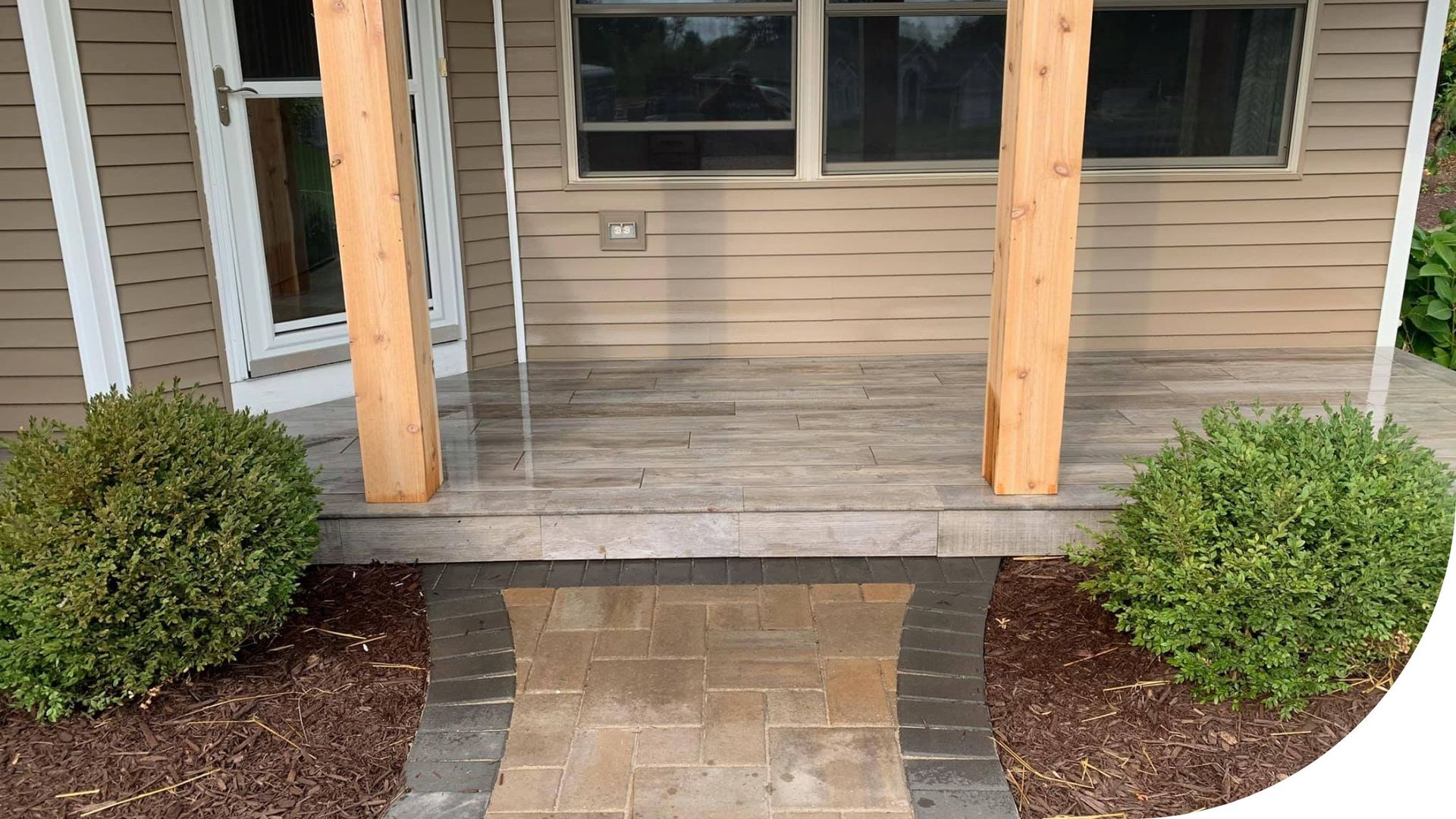
A cracked, narrow, or poorly placed walkway can make the entrance feel dated or unwelcoming. A thoughtfully designed path can do the opposite. It can frame the home, guide visitors naturally to the entry, and make the property feel more polished.
Backyard walkways matter too.
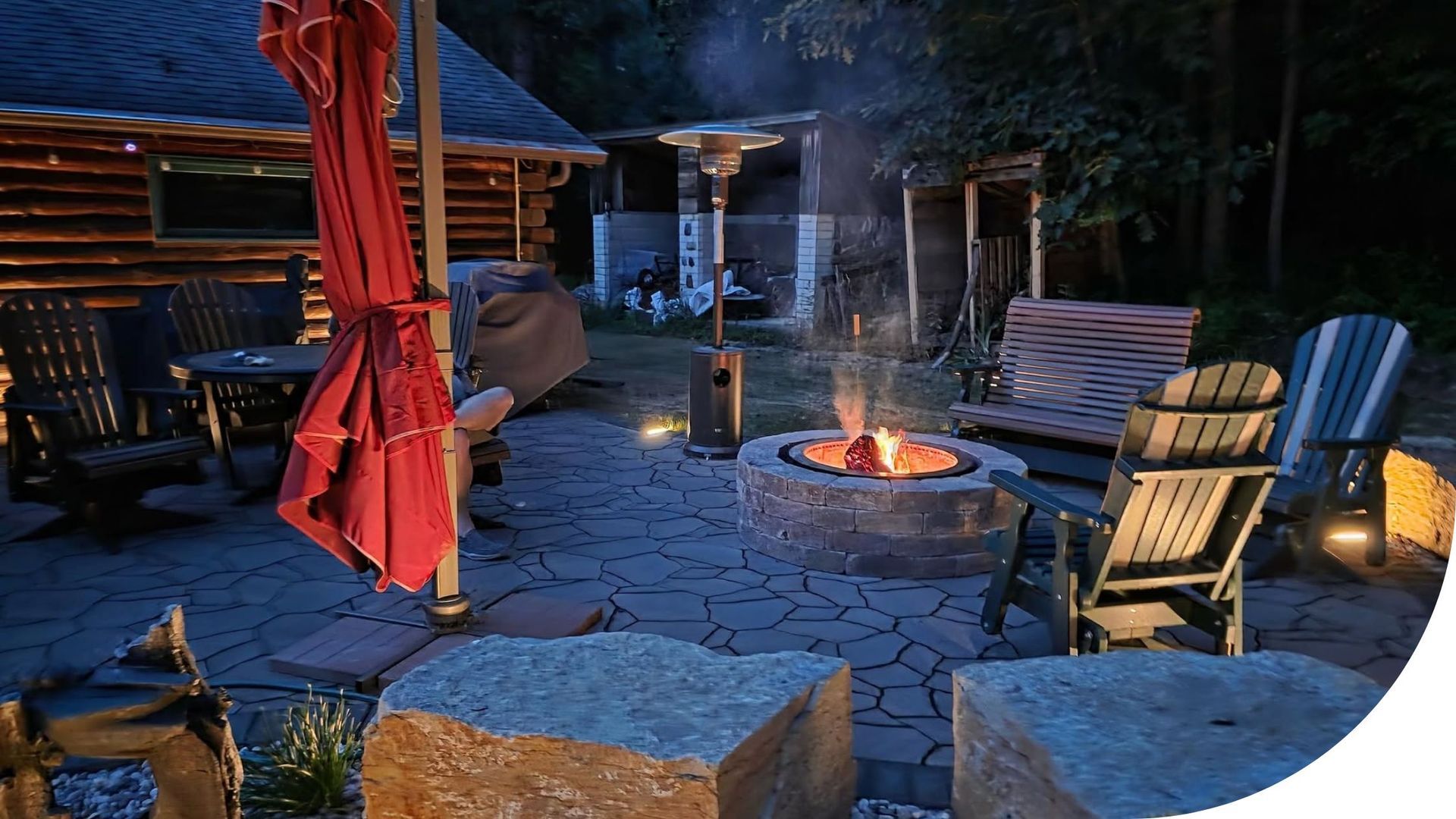
They can lead guests from a patio to a fire feature, connect garden beds, wrap around retaining walls, or create a more graceful transition through the landscape.
When walkways are designed with the entire property in mind, they add both beauty and function.
Materials Should Match the Home and the Landscape
Walkway materials affect the look, durability, and maintenance of the space.
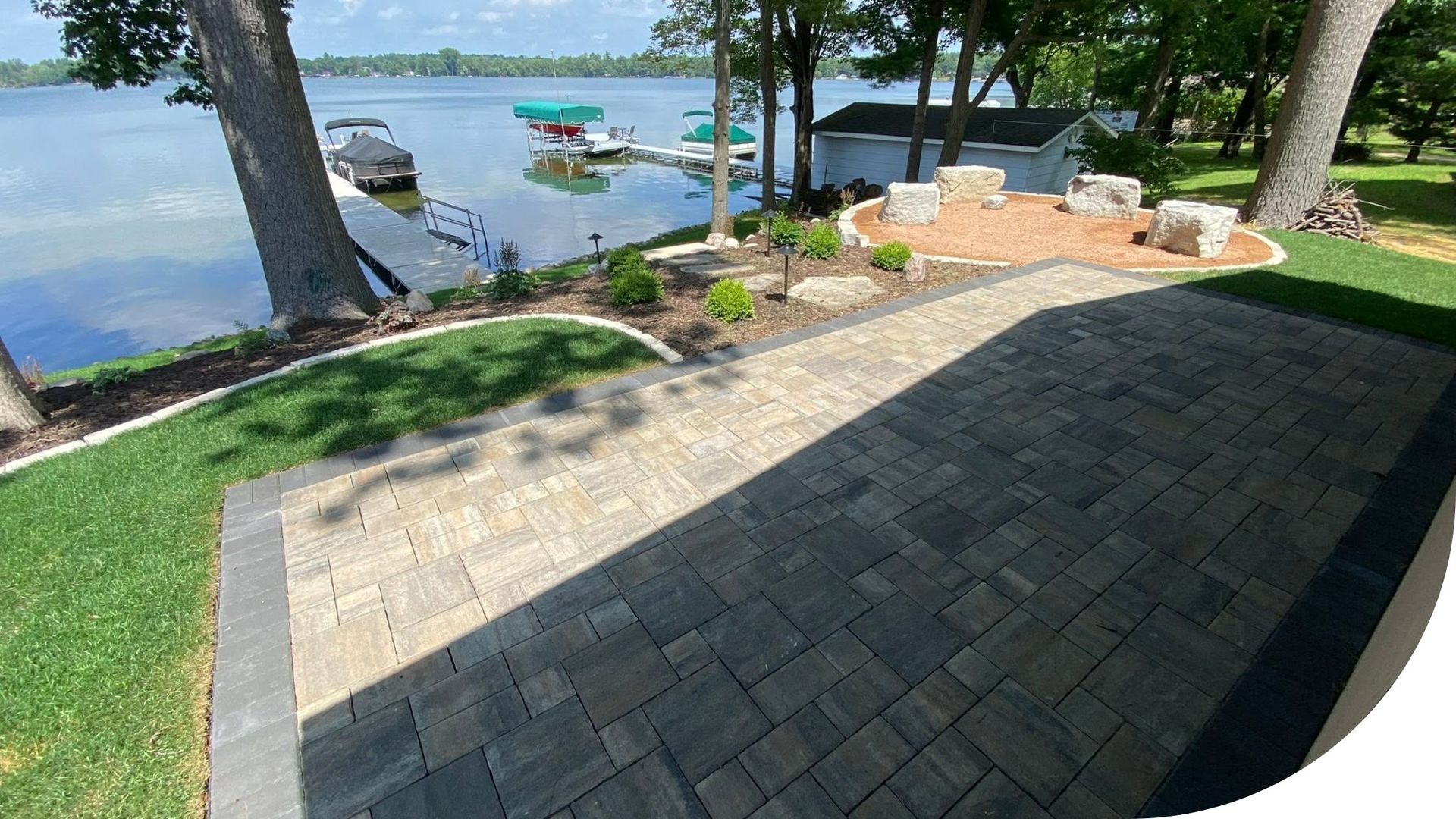
Pavers are a popular option because they offer flexibility, design variety, and strong performance in Wisconsin’s freeze–thaw climate. Natural stone can create a more organic, timeless feel. Gravel or decorative stone may work well in informal garden paths or areas where drainage is important.
The best choice depends on the purpose of the walkway.
A main entry path needs to be stable, comfortable, and easy to clear. A backyard garden path may be softer and more natural. A path connecting a patio to a fire pit should coordinate with the surrounding hardscape so the whole space feels unified.
At Zillges Landscape, Fireplace & Excavation, walkway materials are chosen not only for appearance, but also for how the space will be used over time.
Walkways Work Best When Planned with the Whole Yard
A walkway should not feel like it was added at the end.
The strongest designs consider pathways early, along with patios, retaining walls, landscape beds, drainage, lighting, and outdoor living features.
For example, if a retaining wall creates a new level in the yard, the walkway should help connect that level comfortably. If a patio is being installed, the walkway should support how people enter and leave the space. If landscape beds are being shaped, pathways can help define their edges and keep foot traffic where it belongs.
This kind of planning makes a yard feel calm and complete.
It also helps avoid future issues, such as awkward transitions, poor drainage, or areas where people continue walking across the lawn because the path does not match how they actually move.
Lighting Makes Pathways Safer and More Inviting
Walkways become even more valuable when paired with lighting.
Path lighting improves safety after dark, especially around steps, slopes, curves, and patio transitions. But lighting also changes the feeling of the space.
A softly lit path can make the yard feel warm, finished, and welcoming. It can draw people toward an outdoor seating area, highlight plants or stonework, and make the space usable later into the evening.
For homeowners who enjoy entertaining, pathway lighting is one of those details that makes the outdoor space feel much more intentional.
Walkways Can Solve Practical Problems
Some walkway projects begin with design goals. Others begin with frustration.
Maybe the grass between the driveway and backyard is always worn down. Maybe guests do not know the best way to access the patio. Maybe water collects where people need to walk. Maybe a slope makes part of the yard difficult to use.
A walkway can solve those issues while also improving the appearance of the property.
In many cases, the path itself is only part of the solution. Proper excavation, grading, base preparation, and drainage planning all help the walkway perform well over time.
That is why walkway installation should be treated as part of the larger landscape—not just a surface material laid on top.
Create a Yard That Feels Connected
Walkways and pathways help turn a yard into a complete outdoor space.
They guide movement, improve safety, protect lawn areas, connect patios and landscape beds, and make the property feel more polished from front to back.
If your yard feels disconnected or difficult to move through, a well-designed walkway may be one of the smartest improvements you can make.
Zillges Landscape, Fireplace & Excavation helps homeowners across Oshkosh, Neenah, Appleton, and the Fox Valley design and build outdoor spaces that feel natural, functional, and built to last.
👉
Explore hardscaping services
A better landscape starts with better connections.

Share