Retaining Walls: When Your Yard Needs One (And When It Doesn’t)
If your yard slopes, erodes after heavy rain, or feels difficult to use, a retaining wall might be the solution. But not every property requires one, and understanding when they are necessary can help homeowners avoid costly landscape problems later.
Retaining walls are one of the most practical structural features in landscape design. They stabilize soil, manage drainage, and create flat areas that make outdoor spaces more usable. When designed properly, they can also become beautiful design elements that enhance the entire yard.
At Zillges Landscape, Fireplace & Excavation, we design and install retaining walls for homeowners throughout Oshkosh, Neenah, Appleton, and the Fox Valley. In this guide, we’ll walk through when retaining walls are necessary, how they work, and how they can improve both the function and appearance of your property.
Inside this post
In this guide, you’ll learn:
- What retaining walls actually do and why they are used
- The most common signs your yard may need one
- Different materials used in modern retaining wall construction
- Why drainage is critical to a long-lasting wall
- How retaining walls can enhance outdoor living spaces
By the end, you’ll have a better understanding of whether a retaining wall might be the right solution for your property.
Step 1: Understand What Retaining Walls Actually Do
A retaining wall is designed to hold back soil and stabilize sloped ground. When land sits at different elevations, gravity naturally pulls soil downhill. Over time, this can cause erosion, unstable landscaping, and drainage problems.
Retaining walls act as structural barriers that keep soil in place and allow for controlled elevation changes.
In residential landscapes, retaining walls are commonly used to:
- prevent soil erosion on hillsides
- create flat areas for patios or lawns
- stabilize slopes near foundations or driveways
- improve drainage and water control
- add visual structure to landscaping
For many properties in the Fox Valley, retaining walls turn steep or uneven yards into functional outdoor living areas.
Step 2: Signs Your Yard Might Need a Retaining Wall
Some yards clearly require retaining walls, while others may benefit from them for design or usability reasons.
Common signs include:
Steep slopes
If parts of your yard slope sharply, retaining walls can create flat tiers that are easier to use and maintain.
Erosion after heavy rain
If soil washes away during storms, retaining walls can help stabilize the ground.
Water drainage issues
Improper grading can cause water to pool or run toward your home.
Limited usable yard space
Sloped properties often waste valuable space that retaining walls can reclaim.
Many homeowners discover they need retaining walls when planning patios, outdoor kitchens, or fire features. These structures often require level surfaces that sloped yards cannot provide naturally.
Step 3: Choose the Right Retaining Wall Materials
Modern retaining walls come in a variety of materials, each offering different benefits for durability and appearance.
Segmental Concrete Block Systems
These engineered blocks are one of the most common choices for residential retaining walls.
Advantages include:
- excellent strength and durability
- built-in drainage features
- consistent appearance
- wide range of colors and textures
These systems are designed specifically to withstand freeze–thaw cycles common in Wisconsin.
Natural Stone Retaining Walls
Natural stone walls provide a timeless, organic appearance that blends beautifully with landscaping.
They are ideal for homeowners looking for a rustic or natural aesthetic.
However, they require careful installation and proper base preparation to ensure long-term stability.
Decorative or Cultured Stone Walls
These materials combine structural support with decorative finishes, allowing retaining walls to double as landscape features.
They often pair well with patios, fire features, and outdoor living spaces.
Step 4: Drainage Is the Most Important Part of a Retaining Wall
Many retaining wall failures happen because water pressure builds behind the wall.
When soil becomes saturated, the weight of the water can push against the structure. Without proper drainage, even well-built walls can fail over time.
Professional retaining wall installation typically includes:
- gravel backfill behind the wall
- drainage pipes to move water away
- compacted base layers
- proper grading around the wall
These components relieve pressure and protect the structural integrity of the wall.
At Zillges Landscape, Fireplace & Excavation, proper drainage planning is a critical part of every retaining wall project.
Step 5: Retaining Walls Can Transform Your Landscape Design
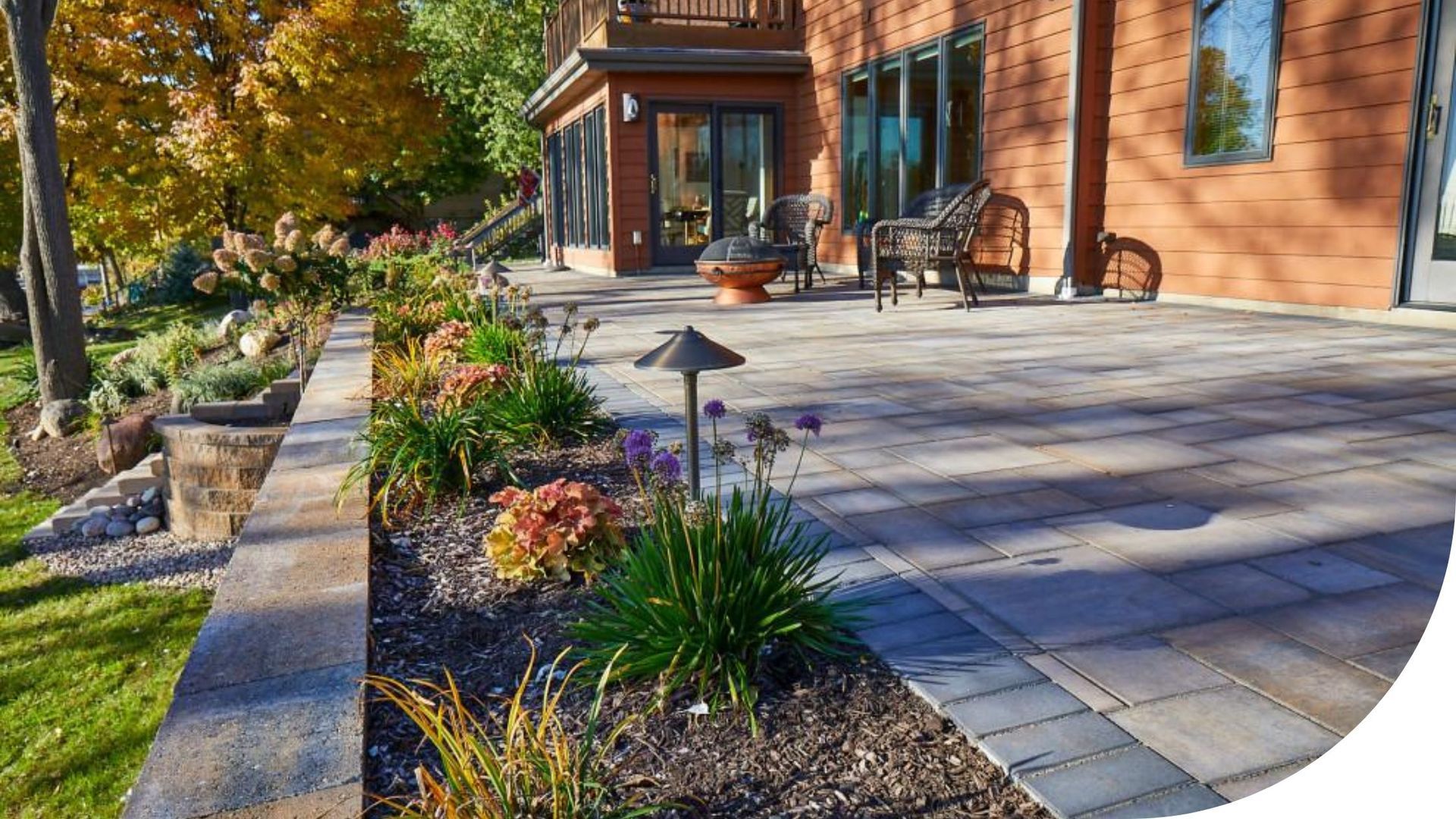
Beyond structural support, retaining walls can dramatically improve the design of a property.
They are often used to create multi-level outdoor spaces, adding depth and character to landscaping.
Popular design features include:
- tiered garden beds
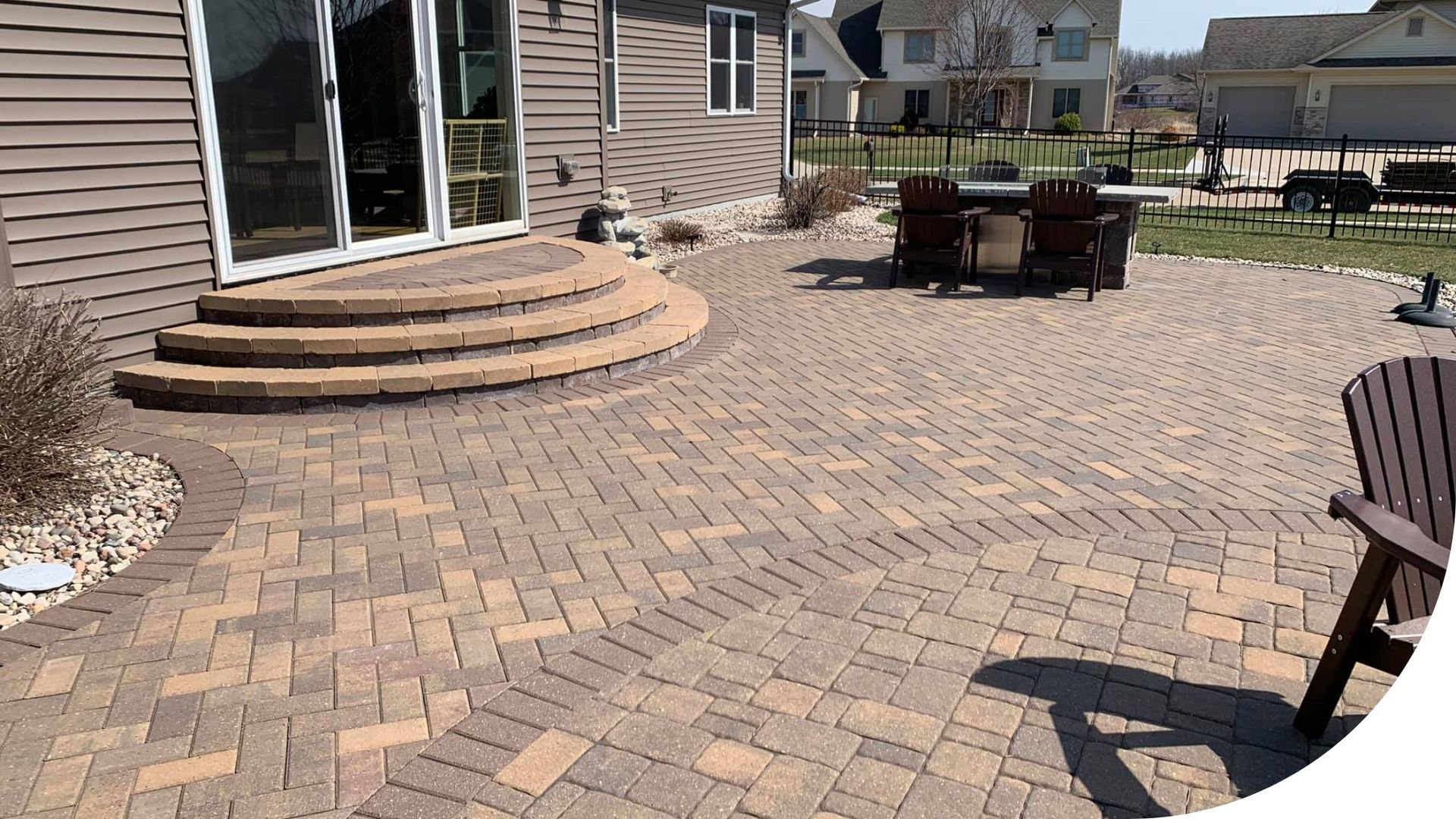
- seating walls around patios
- integrated landscape lighting
- raised planting areas
- multi-level patios
Instead of viewing retaining walls as purely functional, many homeowners use them as architectural elements that shape the entire yard.
Step 6: Professional Installation Matters
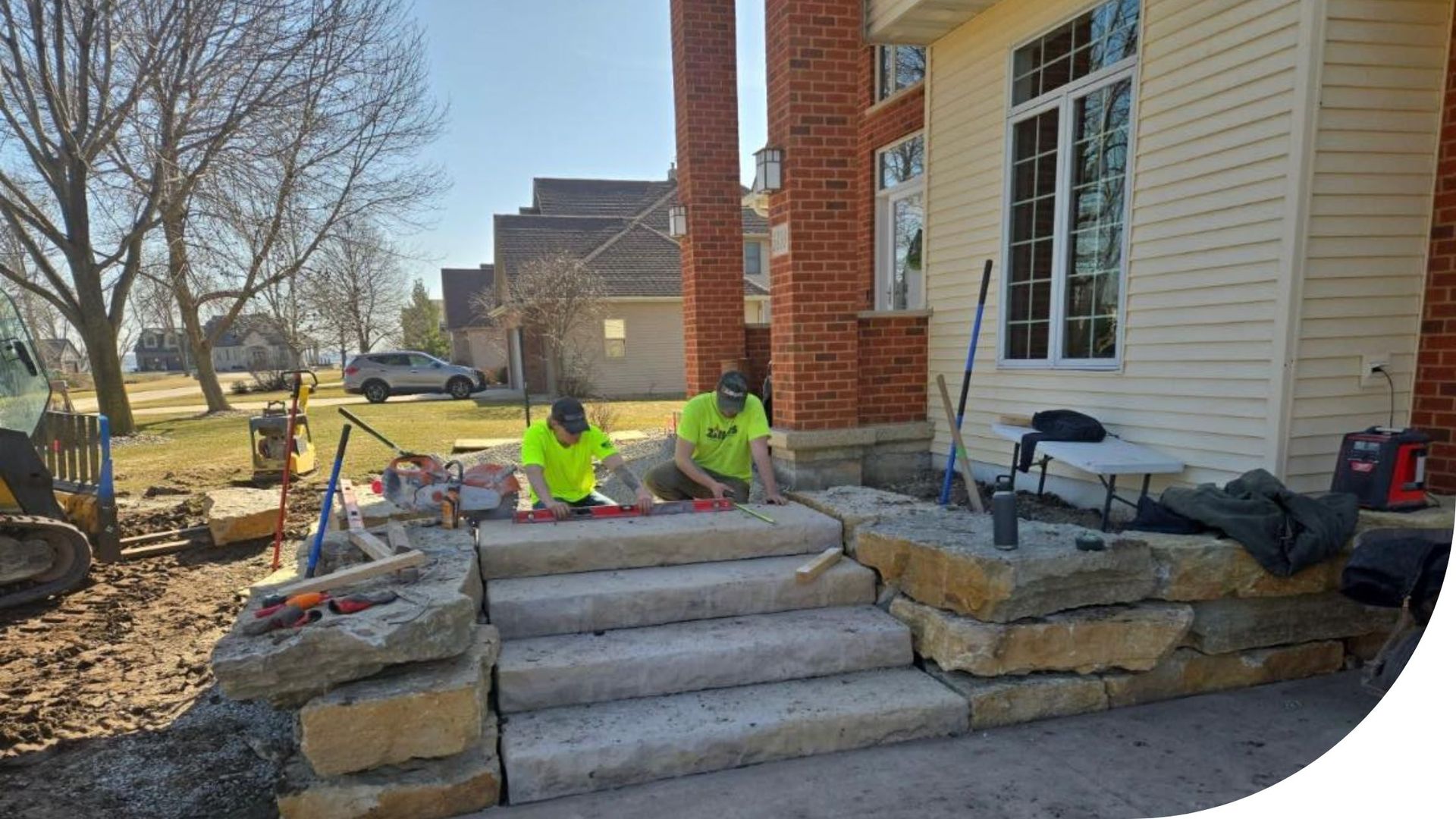
Because retaining walls support large amounts of soil and water pressure, proper installation is essential.
Professional excavation and base preparation ensure the wall remains stable for decades.
A properly installed retaining wall should include:
- engineered base preparation
- proper block or stone alignment
- reinforced structure for taller walls
- drainage systems
- soil compaction behind the wall
At Zillges Landscape, Fireplace & Excavation, our team handles excavation, grading, drainage, and installation to ensure retaining walls perform both structurally and visually.
Improve the Function and Beauty of Your Yard
If your yard has slopes, drainage issues, or unused space, a retaining wall may be the key to transforming it into a more functional landscape.
Homeowners across Oshkosh, Neenah, Appleton, and the Fox Valley trust Zillges Landscape, Fireplace & Excavation for retaining wall design, excavation, and outdoor living construction.
👉 Explore landscaping services
A well-designed retaining wall can turn challenging terrain into one of the most beautiful parts of your yard.

Share